In 2026, fake messages don’t always look fake. AI-built phishing emails now get clicked at a 54% rate, far above the 12% seen in older scams. That gap shows how fast online theft has changed.
Your passwords, bank details, Social Security number, and login codes are valuable because they open doors. Hackers use them to drain accounts, take over email, file fake tax returns, or run scams in your name. Sometimes they steal data in seconds. Other times they watch quietly for months.
The good news is that most attacks follow a few common patterns. Once you know how phishing, social engineering, malware, and data breaches work, it gets easier to spot trouble before it spreads.
Phishing Attacks That Fool You into Sharing Secrets
Phishing is still the easiest way for hackers to get personal information. The trick is simple. They send a message that looks real, then push you to click, sign in, or reply fast.
That message might pretend to be from your bank, your boss, a delivery company, or even a family member. In many cases, it copies the right tone, logo, and timing. Recent threat reporting found Darktrace reviewed 32 million phishing emails across its systems in 2025, which shows how large this problem has become.
Hackers usually follow the same path. First, they send a fake alert. Next, they create pressure, maybe “urgent payment due” or “your account will be locked.” Then they send you to a fake login page or ask for details directly. Once you type a password, ID number, or one-time code, they grab it and move fast.
This is no longer limited to sloppy emails. A recent report on an AI-powered phishing campaign showed how attackers used automation to break into Microsoft cloud accounts at scale. That same approach works against regular people, too.
AI Deepfakes Make Scams Sound Real
Deepfake scams add a human voice to the old phishing formula. Hackers pull voice clips, photos, and writing style from social media, videos, and public posts. Then they build a fake call or message that sounds familiar.
A cloned voice might say, “I’m in a meeting, send the code now.” A fake video might look like a manager asking for payment details. In business cases, deepfake fraud has already cost millions. For regular people, the same idea can lead to stolen account resets, payment app fraud, or identity theft.
Because the voice sounds right, people lower their guard. That’s the point. Attackers don’t need to break a lock if they can convince you to hand them the key.
If a request feels urgent and oddly personal at the same time, pause. That mix is often the scam.
QR Codes and Fake Fixes Hide the Danger
Phishing now shows up in places people trust. QR codes are one example. Darktrace reported QR code phishing attacks rose 28%, topping 1.2 million in 2025. A fake code in an email, chat, or meeting invite can send you to a login page that steals your details.
Then there’s the “clickfix” scam. A pop-up claims your browser, account, or computer needs a quick repair. You follow the steps, paste a command, or install a so-called tool. Instead of fixing anything, you install spyware.
That spyware may log keystrokes, read saved passwords, or watch browser sessions over time. Even worse, many of these scams pass email checks and look clean. Reports on deepfake phishing attacks in 2026 show how synthetic identities now blend voice, writing, and timing into one convincing trap.
Social Engineering Plays on Trust and Curiosity
Some hackers don’t start with code. They start with people. Social engineering works because trust is faster than caution.
An attacker may pretend to be IT support, a co-worker, a recruiter, or a bank agent. They sound calm, helpful, and informed. Sometimes they know where you work, what apps you use, or who your friends are. That detail makes the lie feel safe.
Recent crime trends show scams now hit across text, phone, email, and chat at once. You might get a text first, then a call with a cloned voice, then a follow-up email that matches the story. Each step makes the next one feel more real.
A good example comes from recent reporting on MFA social engineering attacks, where criminals used multi-factor authentication itself as part of the story. They told victims they needed a code to “fix” a login issue. The code went straight to the attacker.
Baiting and Pretexting Lure You In
Baiting uses temptation. A USB drive in a parking lot, a free download, or a prize notice can all carry malware. The goal is to get you to act first and think later.
Pretexting is more like a small performance. The hacker creates a believable role and sticks to it. Maybe they call and say they’re from your internet provider. Maybe they claim fraud hit your account and they need to confirm your address, birth date, or card number.
Once you share one piece of information, they ask for the next. That’s how a simple call turns into account takeover.
Vibe Hacking Feels Personal and Urgent
“Vibe hacking” is a newer label for a familiar trick. Attackers study your style, habits, and social posts, then send messages that match your world. If you post about your dog, travel plans, or a new job, scammers use that detail to sound close to you.
AI makes this cheap and fast. Instead of writing one fake message, hackers can spin out hundreds, each tailored to a different target. One person gets a fake school alert. Another gets a payment request from a “friend.” Someone else gets a text that matches a recent online purchase.
That personal touch matters because it lowers doubt. It feels less like spam and more like a real conversation.
Malware and Ransomware Sneak In and Lock You Out
Malware is the silent side of data theft. You click a file, install a fake update, or open the wrong attachment, and now a hidden program lives on your device.
That program can steal saved passwords, browser cookies, tax files, banking logins, or private photos. In many cases, you won’t notice anything strange right away. The screen looks normal while the theft happens in the background.
Today, criminals can even rent attack tools. Malware-as-a-Service has lowered the skill needed to run serious attacks. Recent reporting on Steaelite RAT and bundled ransomware shows how one tool can now steal credentials, watch activity, and manage extortion from one dashboard.
Remote Access Trojans Steal Silently
A Remote Access Trojan, or RAT, gives hackers a back door into your device. After that, they can browse files, capture screenshots, switch on a webcam, or steal passwords from your browser.
This kind of malware is dangerous because it stays quiet. You may keep using the same laptop for weeks while someone else watches from a distance. That long window gives them time to collect enough details for identity theft or financial fraud.
Ransomware Demands Cash After the Theft
Ransomware used to focus on locking files. Now it often steals data first, then locks the device, then threatens to leak what it found. That double hit is why the damage runs so high.
The average ransom payment in 2026 sits around $60,000, but the full average cost of a ransomware event is much higher, about $5.08 million for companies when downtime, response, and lost business are counted. Hospitals, banks, and schools feel this hard, but personal devices get hit too. If family records, tax files, or saved passwords are on that system, the damage goes far beyond one laptop.
Data Breaches and Weak Spots Expose Millions
Sometimes you do everything right and still get exposed because a company gets hacked. That’s the harsh truth behind data breaches.
In 2025, more than 3,100 US data compromises affected about 1.35 billion people. Once hackers get inside a company network, they often search for customer records, employee files, payment data, and password hashes. Then they crack weak passwords with common tools and sell the results.
Breaches often start with old software, stolen logins, or web bugs like SQL injection. If a website fails to handle input safely, an attacker can force it to reveal or change database content. Meanwhile, unpatched systems stay exposed longer than they should. Industry data shows breaches can take 241 days to fix, which gives attackers plenty of time to move around.
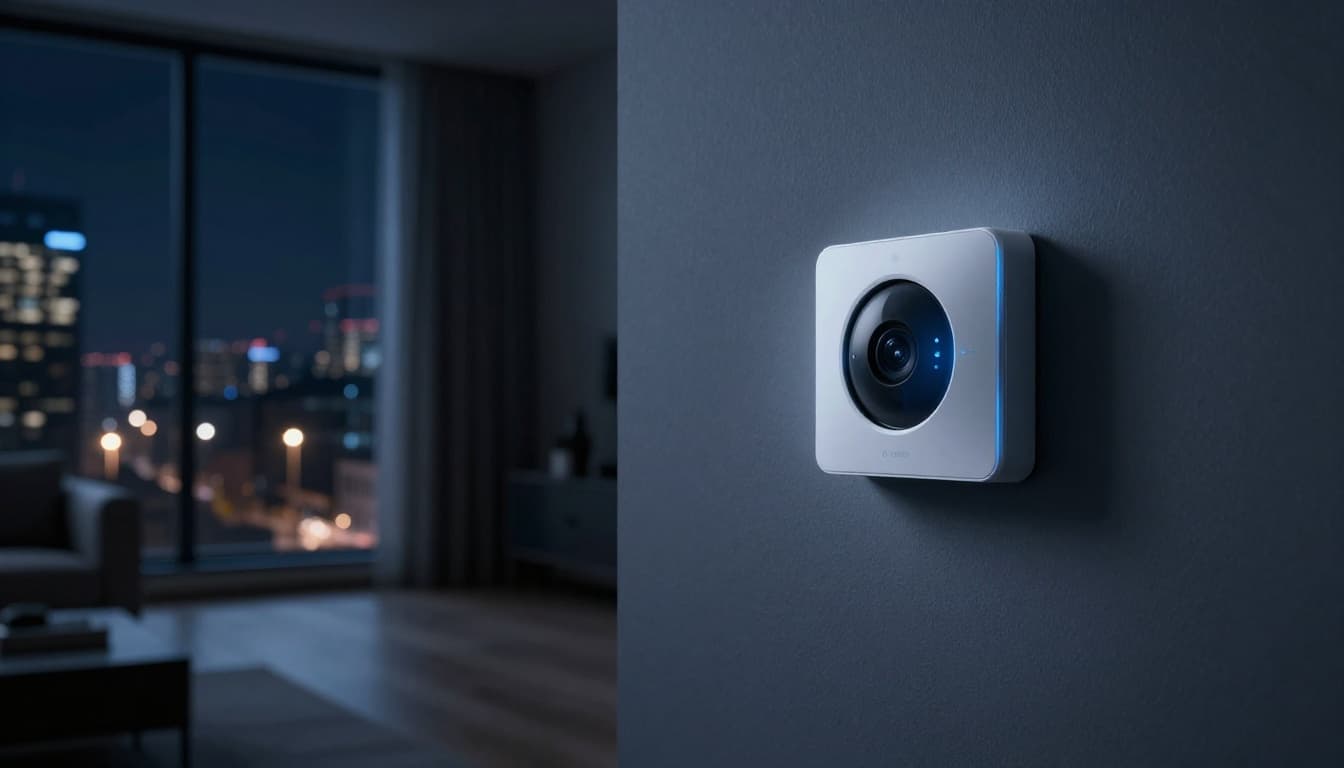
A recent case involving smart home IoT flaws and remote takeover shows how weak API controls and unencrypted traffic can expose personal data far beyond one device.
IoT Devices Become Easy Spy Gates
Smart cameras, doorbells, speakers, thermostats, and even fridges connect to the internet. That convenience also creates extra doors into your home network.
Early 2026 data shows the US gets 54% of global IoT attack traffic, with more than 820,000 daily IoT attacks seen in 2025. Weak passwords drive many of those attacks. Once hackers control one device, they may spy on activity, join botnets, or scan the rest of your network for richer targets.
Breaches From Unpatched Flaws and Web Bugs
Not every breach starts with a dramatic hack scene. Sometimes it starts with a missed patch, a forgotten firewall rule, or a simple form field on a website.
Attackers look for those cracks because they scale well. One unpatched system can expose millions of records. One bad query can open a database. Once the data gets copied, it can land on criminal forums within hours.
That’s why personal information often shows up for sale even when the victim never clicked anything at all.
Your personal information is worth money because it lets criminals pretend to be you. That’s the thread connecting phishing, social tricks, malware, and breaches. Different doors, same goal.
The best defense is boring, and that’s a good thing. Use unique passwords, turn on 2FA, keep devices updated, check links before tapping, and verify urgent calls another way. Above all, slow down when a message pushes you to rush.
Take ten minutes today and audit your key accounts. One careful check now can stop a much bigger mess later.